Meme coin trading versus holding blue chips which suits a fast Solana market better
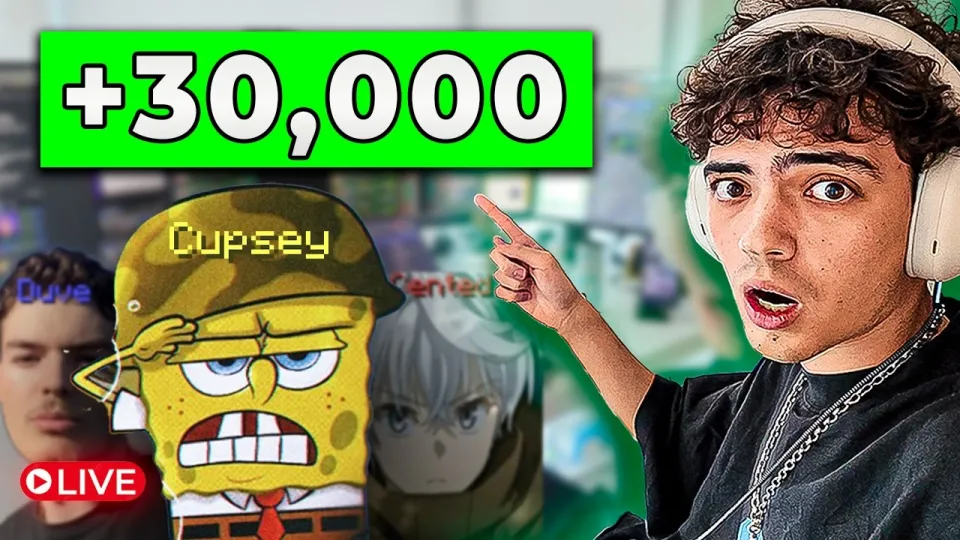
Video: I Traded With The World’s #1 Memecoin Trader
Need articles like this for your video? They help promote it on YouTube and Google — order them in the Telegram bot @sat_sit_bot. Articles with your video embedded are written and posted by the bot itself — on popular topical sites (no ads). Try it free: 50 articles on us.
· based on the channel Ethan Prosper
Key takeaways
- A meme coin is a token priced purely by attention and liquidity, with no cash flow or product behind it.
- Top Solana traders work 10+ hour sessions scanning new Pump.fun pairs, not occasional weekend buys.
- In the Ethan Prosper session with trader Cupsey, single trades closed at +200 SOL and +80 SOL, plus roughly $15K on a Grok-themed launch.
- Most retail losses come from full-porting into coins already pumped by tracked wallets and KOLs.
- Copy-trading a top wallet is the fastest route to becoming someone else's exit liquidity.
A meme coin is a token whose price depends entirely on attention, liquidity and timing rather than revenue, cash flow or a working product. For most people the better choice is to treat meme coins as a small, high-risk trading allocation and keep the bulk of capital in assets with real fundamentals. The traders who consistently profit from them, such as the guest in Ethan Prosper's session with Cupsey, treat the market as a full-time job on Solana terminals like Padre rather than a passive bet.
What a meme coin actually is and why it behaves differently
A meme coin is a token launched with no utility promise, where price is set only by the flow of buyers and sellers. That single feature explains almost everything about the asset class: there is no earnings report, no roadmap milestone and no valuation floor, so a launch can multiply in minutes and return to near zero in the same session.
On Solana, the dominant launch venue is Pump.fun, where anyone can mint a token in seconds and the bonding curve pushes it toward a public liquidity pool. Tools such as Axiom, Photon and BullX exist to read that flow: new pairs, holder counts, dev wallet history, bundle detection and sell pressure. The edge is not secret knowledge, it is speed and discipline in reading those dashboards.
Three properties separate meme coins from large caps:
- Liquidity is thin, so a few thousand dollars can move price double digits in either direction.
- Supply concentration is extreme, since the deployer and early snipers often hold most of the float.
- Lifespan is short, and a token that trends for six hours is already considered long-lived.
How the top Solana traders actually operate
A professional meme coin trader runs a repeatable process rather than chasing charts on impulse. In the Ethan Prosper video, the guest wallet behind the session is publicly listed, and the trades shown are not lottery tickets but quick in-and-out positions sized to exit into real demand.
A workable routine looks like this:
- Screen new pairs on a terminal filtered by volume, unique holders and buy/sell ratio in the first minutes.
- Check the deployer wallet for previous launches and whether early buys were bundled or funded from one source.
- Size the position so a total loss is survivable, often a fraction of one SOL on a first entry.
- Set an exit before entering, either a fixed multiple or a trailing rule tied to volume fading.
- Log the result, because pattern recognition across dozens of launches is the actual skill.
The session shows the upside of that discipline: trades closing around +200 SOL, another near +80 SOL, and roughly $15K on a token riding Elon Musk's Grok narrative. It also shows the pace, with the whole sequence compressed into a single recording and dozens of decisions behind each entry.
Where the real risks sit for anyone copying this style
The biggest risk in meme coin trading is not picking a bad chart, it is becoming exit liquidity for a coordinated group. A widely liked comment under the video makes the point bluntly: the traders posting huge gains are often the same wallets that multi-wallet a launch and dump on late buyers. That is not an accusation against any individual, it is a structural feature of a market where insiders see the order flow first.
Other risks worth pricing in:
- Copy-trading lag. Mirroring a top wallet means your fill lands after theirs, so their profit is partly your entry price.
- KOL-driven pumps. When a coin is already being shilled by tracked accounts, the easy move has usually happened.
- Rug mechanics. A dev can mint, bundle and sell in the same block; no terminal fully protects against it.
- Time cost. The traders in these videos run 10+ hour sessions. A part-time participant is competing against people who watch every launch.
- Slippage and fees. Thin books and priority fees quietly eat a meaningful share of small gains.
A useful reality check from the comments: one viewer noted the trader made an annual salary in the time it took a robot vacuum to cross a room. That framing is honest about what is being shown, an extreme outlier session, not a baseline expectation.
Meme coin trading versus holding larger coins
Holding established assets and trading meme coins are different jobs with different skill requirements, and most portfolios should contain both in very different proportions. Large caps reward patience, position sizing and macro awareness; meme coins reward reaction speed, screen time and the willingness to take many small losses.
| Factor | Meme coin trading | Holding large caps |
|---|---|---|
| Edge required | Speed, on-chain reading, discipline | Patience, allocation, thesis |
| Time commitment | Hours daily during active sessions | Occasional review |
| Typical outcome distribution | Many small losses, few large wins | Broad market beta |
| Main failure mode | Chasing late entries, no exit plan | Panic selling drawdowns |
A sensible middle path for most people is to cap meme coin exposure at a small slice of the portfolio, treat each position as money already lost, and keep the rest in assets that do not require monitoring every block. The comment section of the video reflects that tension directly, with viewers asking how to choose coins to ape and others warning that this is the most difficult style available and that trading larger coins is a legitimate alternative.
Common questions from traders watching these sessions
Viewers repeatedly ask what "faucets" means in this context, and the answer is simple: small, repeatable income streams that fund trading, such as airdrops, referral rewards or fee rebates, so the main stack stays untouched. Another recurring question is how to get into private groups where calls are shared earlier; the honest answer is that access usually costs money and the information is still not guaranteed to be profitable by the time it reaches you.
The most common request is a concrete method for choosing which launch to buy. A practical filter combines three checks: the dev wallet has no history of instant dumps, unique holders are growing faster than volume spikes, and the token has survived at least one round of profit-taking without collapsing. If any of those fail, skipping the trade costs nothing.
Finally, many ask whether they need a large bankroll to start. The traders in the video work with hundreds of SOL, but the mechanics are identical with one or two, and the lesson transfers: position size determines survival, not talent.
Useful links
- Padre trading terminal registration — the terminal used for the session and the entry point promoted in the video.
- https://ethanprosper.com — all of the host's links in one place.
- https://x.com/cupseyy — the guest trader's public profile.
- https://discord.gg/solmafia — free Discord community.
- https://www.joinpastel.com/r/ref=ETHAN — paid research group.
Final takeaway
Meme coin trading is a legitimate skill, but it is a speed game played by people who treat it as a full-time job, and the gains shown in highlight sessions are the top of a very wide distribution. The realistic takeaway is to size positions so a total loss changes nothing, to check dev and holder data before every entry, and to keep the majority of capital in assets that do not require watching a screen all day. Ethan Prosper's channel is worth following for the unedited mechanics of that process, provided you read the sessions as demonstrations of a high-risk style rather than a template for a portfolio. If you want to inspect the same tooling, start with the Padre terminal and paper-trade the workflow before committing real capital.
Source: I Traded With The World’s #1 Memecoin Trader · Markdown version
Questions & answers
Do I need hundreds of SOL to trade meme coins seriously?
No. The mechanics of screening, sizing and exiting are identical with one or two SOL, and a smaller bankroll forces better discipline. What changes is the absolute profit, not the skill required. Traders working with large stacks simply take the same percentage risks on a bigger base.
Is copy-trading a top meme coin wallet a good strategy?
It is a fast way to learn the timing of experienced traders, but your fill always lands after theirs, which means worse entries and worse exits. Treat copy-trading as a research tool and a small allocation, not as a replacement for your own exit rules.
What does it mean when people say they are someone's exit liquidity?
It means the buyer entered after insiders and early wallets had already positioned, so their purchase is what allows those wallets to sell at a profit. Multi-wallet launches and coordinated shilling make this common on new Solana pairs, which is why dev wallet and bundle checks matter before every entry.
Can meme coin trading replace a normal portfolio?
For a very small number of full-time traders, yes, but the outcome distribution is extremely skewed and most participants lose money over time. A more durable approach is a small speculative allocation alongside assets that do not need constant monitoring.